Popcorn ceilings cause a real headache for many homeowners. They used to be all the rage but now make rooms look stuck in the past. If modernizing your space or boosting its style matters, knowing how to handle popcorn ceilings becomes a game-changer. Removing or hiding that bumpy texture can turn a tired ceiling into something sleek and fresh. Once tackled, the room feels brighter and more inviting than ever before. Keep reading to discover tricks that make the job easier and why the right fix can transform your whole home.
Understanding Popcorn Ceilings
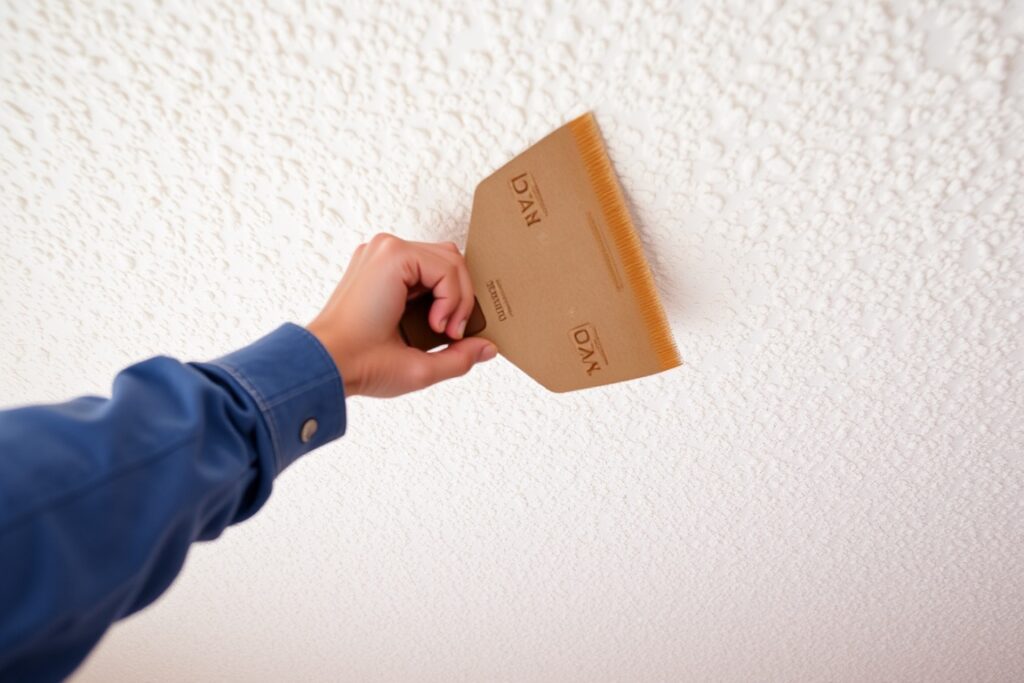
What is a Popcorn Ceiling?
A popcorn ceiling, also known as an acoustic ceiling, is a type of textured ceiling finish that was widely used in residential construction from the 1950s through the 1980s. The name comes from its bumpy texture, which resembles popcorn. The popcorn texture was initially popular for its sound dampening qualities and its ability to hide imperfections in the drywall. Many homeowners now consider popcorn ceilings to be an undesirable feature, opting instead for a more modern, flat ceiling.
History and Popularity of Popcorn Texture
The popularity of popcorn texture surged in the mid-20th century due to its efficiency in concealing flaws and its acoustic properties. Builders favored it as a quick and inexpensive way to finish ceilings. Applying the popcorn ceiling texture was faster than achieving a smooth ceiling. However, the use of asbestos in popcorn ceilings became a concern. Asbestos was added to the popcorn texture to increase its fire resistance and durability.
Advantages and Disadvantages of Textured Ceilings
Textured ceilings, including the infamous popcorn ceiling, offered certain advantages like sound dampening and hiding imperfections on the old ceiling. However, the disadvantages often outweigh these benefits. One major concern is the potential for some older popcorn ceilings to contain asbestos. Removing this kind of ceiling that may contain asbestos requires professional asbestos abatement. Many homeowners dislike the look and want to remove the popcorn ceiling or find a way to cover it.
Popcorn Ceiling Removal
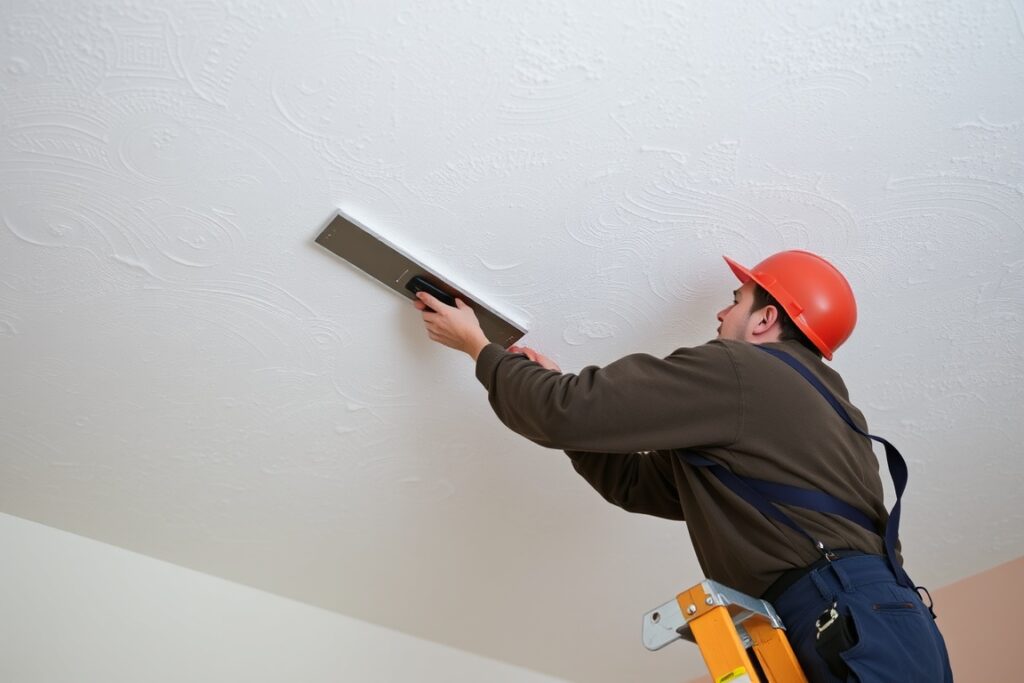
When to Remove Popcorn Ceilings
Many homeowners choose to remove popcorn ceilings to modernize their homes and achieve a more updated look. The decision to remove a popcorn ceiling often hinges on aesthetic preferences and concerns about potential asbestos content. If you’re planning a renovation or simply want a smoother, more contemporary ceiling, removing the dreaded popcorn ceiling is a viable option. Some also wish to get rid of the stipple ceilings that remind them of older home designs. You may need asbestos abatement if your popcorn or texture contains asbestos.
Steps for Safe Popcorn Ceiling Removal
The process to remove a popcorn ceiling typically involves several steps. First, test the popcorn texture for asbestos, especially in homes built before the 1980s. If asbestos is present, hire a professional asbestos abatement company. If not, you can proceed by preparing the room, wetting the ceiling texture, and gently scraping the popcorn texture. After scraping the ceiling, you will need to patch and sand the surface to create a smooth ceiling.
Asbestos Concerns in Popcorn Ceilings
One of the biggest concerns with popcorn ceilings is the potential presence of asbestos. Homes built before the 1980s often have popcorn texture that may contain asbestos. Disturbing asbestos-containing materials during removal can release harmful fibers into the air, posing a health risk. Always test for asbestos before attempting popcorn removal. If your popcorn ceiling contains asbestos, professional asbestos abatement is essential for safe removal.
Covering Popcorn Ceilings
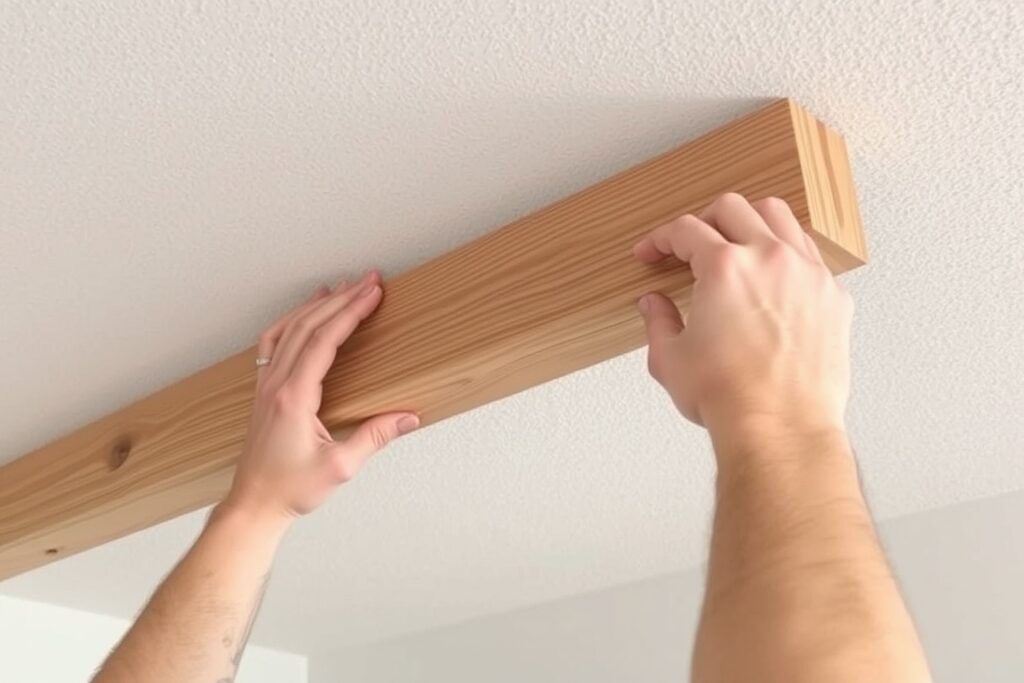
Ways to Cover a Popcorn Ceiling
If you’re hesitant to remove the popcorn ceiling, covering it is another option. There are several ways to cover it without scraping it. These include installing new drywall directly over the old ceiling, using beadboard, or applying other types of decorative panels. Covering the ceiling can be a less messy and less risky alternative to popcorn removal, especially if you’re concerned about asbestos.
Using Drywall for Coverage
One popular way to cover a popcorn ceiling is by installing new drywall. This involves attaching sheets of drywall directly to the existing ceiling without having to remove the popcorn texture first. Ensure the old ceiling is in good condition and can support the added weight of the new drywall. Covering this ceiling with drywall provides a smooth, paintable surface and effectively eliminates the outdated look of the popcorn texture.
Alternative Options: Beadboard and More
Besides drywall, there are other creative ways to cover the popcorn. Beadboard panels offer a decorative way to cover a popcorn ceiling, adding texture and visual interest. Other options include using wooden planks or even fabric to cover the popcorn or texture. These methods can provide a unique look and are often easier to install than new drywall. If the painted popcorn ceiling has already been painted, it can be more difficult to remove the popcorn.
DIY vs. Professional Help
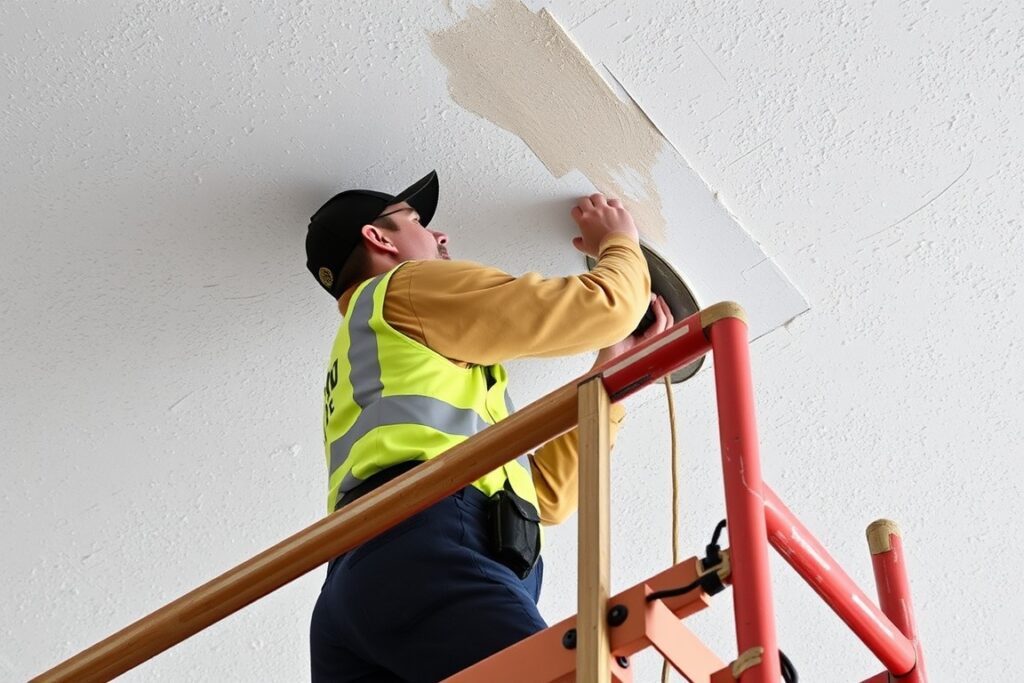
When to Consider Professional Popcorn Removal
Deciding whether to tackle popcorn ceiling removal yourself or hire a professional largely depends on several factors. If your home was built before the 1980s, it’s crucial to test the popcorn texture for asbestos. Should the test results reveal that the popcorn or texture contains asbestos, professional asbestos abatement is necessary to safely remove the popcorn. Professionals have the equipment and expertise to handle hazardous materials, ensuring the safety of your home and family. Also, consider if the popcorn texture on the old ceiling has already been painted.
DIY Scraping Techniques
For popcorn ceilings that don’t have asbestos, you can attempt DIY scraping. This involves wetting the ceiling texture with water and gently scraping the popcorn. However, be prepared for a messy process. Protect the room by covering the floors and furniture with plastic sheeting. After scraping the ceiling, you’ll need to patch any imperfections and sand the surface to achieve a smooth ceiling. This process requires patience and attention to detail to ensure a professional-looking result. It’s a physically demanding job, so consider your abilities.
Cost Considerations for Removal and Covering
The cost of dealing with popcorn ceilings varies depending on whether you choose to remove or cover a popcorn ceiling and whether you opt for DIY or professional help. DIY popcorn removal can be budget-friendly, mainly involving the cost of tools like a scraper, sprayer, and patching compounds. Professional removal costs are typically calculated per square foot and can range from a few dollars per square foot, depending on the complexity and potential asbestos abatement needs. Covering a popcorn ceiling with new drywall or beadboard also has material and labor costs.
Finishing Touches for Ceilings
Choosing the Right Paint Color
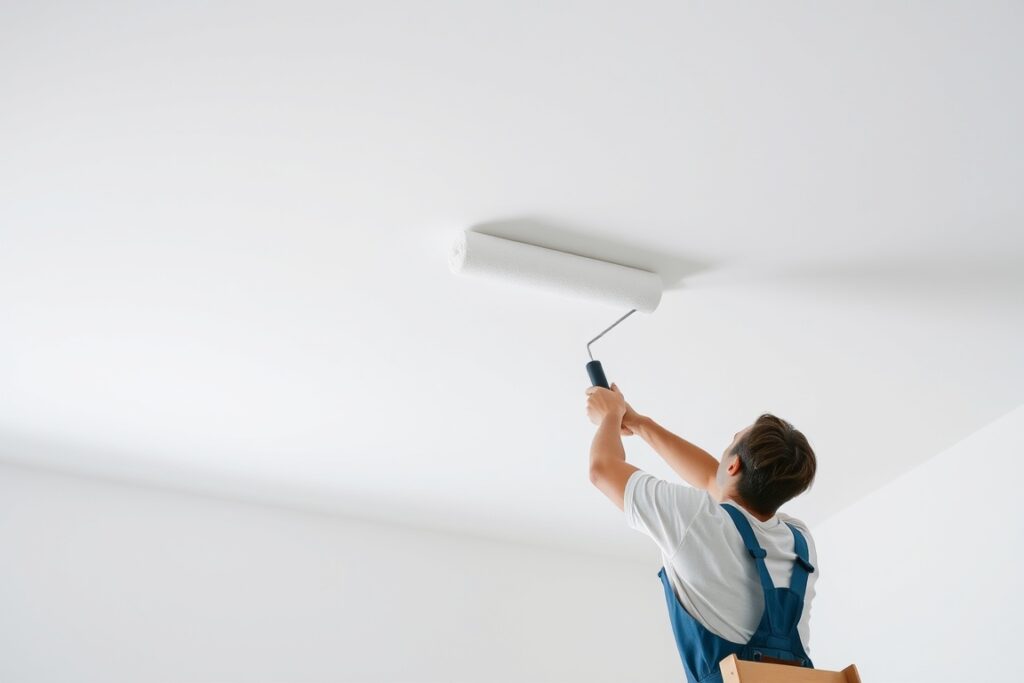
Once you’ve removed the popcorn or texture or covered it, selecting the right paint color is crucial to achieving the desired aesthetic. Light paint colors can make the room feel brighter and more spacious. Consider the existing décor and natural lighting in the room when selecting the paint color. A fresh coat of paint on your new smooth ceiling can completely transform the space and enhance the overall look.
Maintenance Tips for Textured Ceilings
If you opt to cover popcorn ceilings or already have a textured ceiling in another room, proper maintenance is essential to keep it looking its best. Regularly dust the textured ceiling with a soft brush or vacuum attachment to prevent dust buildup. Avoid using abrasive cleaners or excessive moisture, as this can damage the texture. Address any stains or imperfections promptly to prevent them from becoming more noticeable. If you’ve removed the popcorn ceiling, maintenance on your smooth ceiling will involve normal dusting and paint touch-ups.
Long-Term Effects of Removing or Covering Popcorn Ceilings
The decision to remove or cover a popcorn ceiling can have long-term effects on your home’s value and appeal. Removing the dreaded popcorn can instantly modernize a room, increasing its aesthetic appeal. Covering the popcorn is a less invasive alternative but may not offer the same level of transformation. A smooth, updated ceiling can be a significant selling point if you decide to put your home on the market. Many buyers want to remove the popcorn. If you have already removed the popcorn or don’t have popcorn ceilings, this is a good feature for attracting buyers.