

D batteries have powered flashlights, radios, and DIY projects for decades because they last longer and deliver reliable power. Their bigger size means they hold more energy, making them perfect for anyone who needs strong, steady juice. This simple guide explains what makes D batteries work, how to pick the right kind, clever tricks to get the most out of them, and smart ways to recycle and care for these power giants. If keeping your gear running strong while being kind to the planet sounds good, this info will be a game-changer.
You’ll find straightforward answers to all your big questions—size, voltage, lifespan, and which devices they fit. Whether you’re rigging up emergency gear, prepping for an off-grid adventure, or running classroom science experiments, understanding D batteries helps you make smart, safe, and cost-effective choices. Let’s get into what you need to know before you shop, install, or toss a D cell.
Understanding D Battery Basics
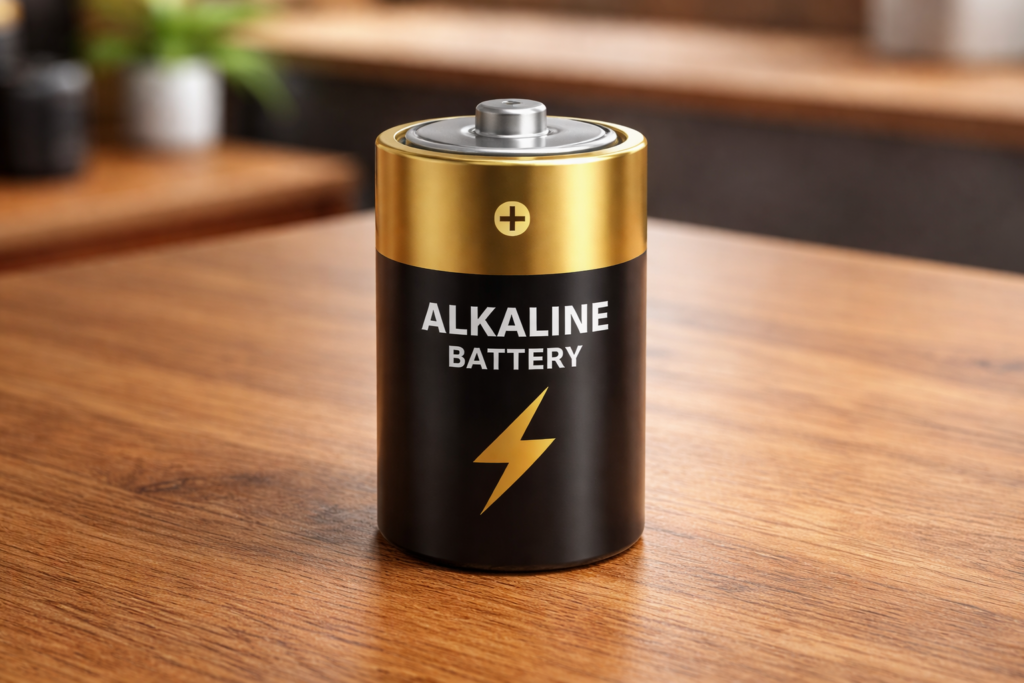
D batteries might look simple, but there’s more going on under the hood than meets the eye. Before grabbing a fresh 4-pack for the family flashlight or a classroom experiment, it helps to know the basics: physical dimensions, what kind of voltage they put out, and how much they weigh depending on their chemistry.
Each of these factors affects whether a D battery will fit your device, provide enough juice, or be easy enough to haul around all day. Understanding the specifics—and why they matter—means fewer surprises down the line and better results from your equipment. Let’s break down what sets the D battery apart so your next project goes smoothly.
D Battery Dimensions and Physical Specifications
A standard D battery, sometimes called an R20 cell, measures about 61.5 mm (2.42 inches) in length and 34.2 mm (1.35 inches) in diameter. These dimensions are set by international standards, so most D batteries you buy on the shelf will fit the same battery compartment in your equipment.
The uniform size makes it easy to swap D batteries between devices without worrying about fit or connection. Always check your device’s manual for compatible battery sizes, since using the wrong size—even if it seems to fit—could lead to weak connections, jostling, or even leaking and corrosion. When in doubt, measure the compartment to confirm you’ve got the right D cell before purchasing or installing.
Battery Voltage Output in D Batteries
D batteries typically deliver a nominal voltage of 1.5 volts when they’re new and fresh out the pack. This is true for most single-use chemistries, like alkaline and carbon-zinc. Lithium D cells may offer a higher voltage in specialty versions, but the most common lithium D still sticks to 1.5 volts for device compatibility.
Rechargeable D batteries—usually NiMH (nickel-metal hydride)—have a slightly lower voltage, typically around 1.2 volts per cell. It’s important to match the voltage of your battery to your device’s requirements, as using the wrong type can lead to reduced performance or even damage to sensitive electronics. When in doubt, always check the voltage marking on both your device and the battery before making the switch.
D Battery Weight by Chemistry
- Alkaline D Batteries: Typically weigh 135–145 grams (about 4.8–5.1 ounces). This makes them a solid, mid-range option for most uses.
- Lithium D Batteries: Much lighter, often 60–70 grams (around 2–2.5 ounces). Perfect for cutting weight in portable or handheld devices.
- Carbon-Zinc D Batteries: Usually 120–130 grams (about 4.2–4.6 ounces). Lighter than alkaline but not as light as lithium.
Understanding battery weight helps you balance run time with portability, especially if you’re lugging gear on a camping trip or building something that needs to stay light.
Types of D Batteries Explained
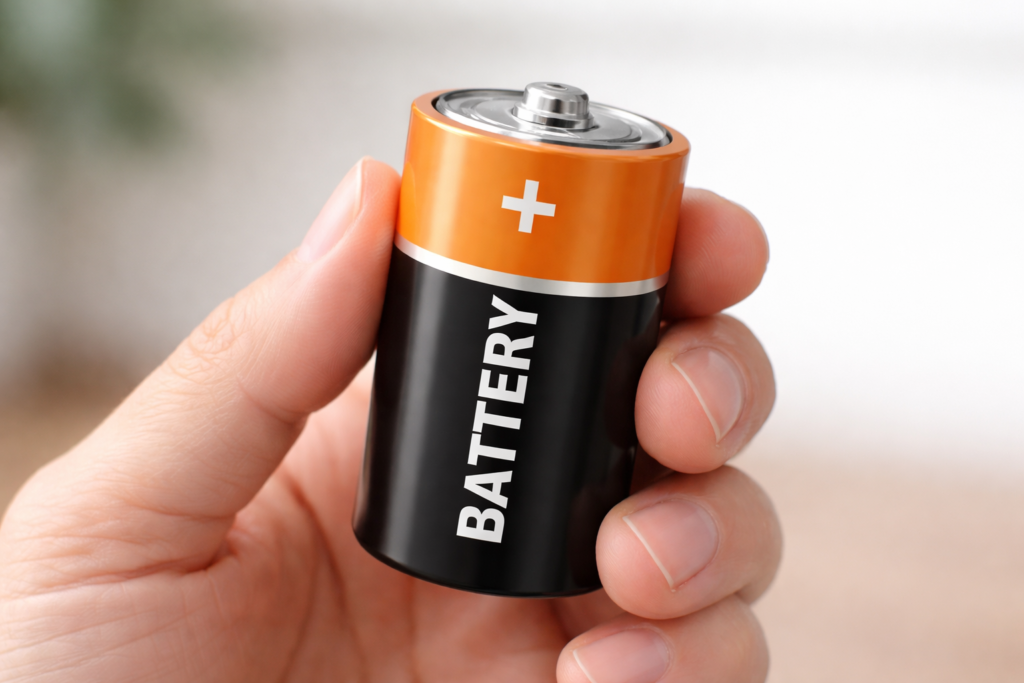
Not all D batteries bring the same game to the table—there are key differences depending on chemistry and build. The four main types are alkaline, lithium, carbon-zinc, and rechargeable (primarily NiMH). Each offers its own set of strengths, weaknesses, shelf life, and price points.
Choosing the right type can mean longer runtime, lower costs, or less hassle with recharging and replacements. In the next sections, we’ll unpack these battery types so you can decide whether you need steady power for home use, something lightweight for the outdoors, or a more sustainable rechargeable option for regular cycling. Knowing what’s behind each label helps you get the performance you need—and avoid unnecessary headaches.
Alkaline D Batteries for General Use
Alkaline D batteries are the everyday workhorse found in most households and supply closets. They stand out for their dependable performance, decent shelf life, and reasonable cost. Alkaline chemistry gives these batteries a typical voltage of 1.5V, ready to handle everything from flashlights to radios and children’s toys.
Their widespread availability and reliability make them a top choice for both high and low-drain devices. However, they’re single-use, so once they’re drained, you’ll need fresh replacements, and frequent use can get costly over time. Still, for most standard applications, alkaline D batteries check the right boxes.
Lightweight Performance with Lithium D Batteries
Lithium D batteries are the go-to for demanding scenarios. They are considerably lighter than their alkaline and carbon-zinc counterparts, which makes a real difference in portable gear or when every ounce counts. Lithium D batteries also shine in extreme temperatures—working smoothly from freezing cold to blazing hot—where other chemistries can stumble.
They offer an exceptionally long shelf life and hold power even after years in storage. Lithium D cells are a smart pick for outdoor professionals, campers, or anyone running high-drain devices, though they often come at a higher price point than regular alkalines.
Carbon-Zinc D Batteries Pros and Cons
- Budget-Friendly: Carbon-zinc D batteries are the cheapest option, making them ideal for low-cost, low-demand projects.
- Shorter Lifespan: They have a much lower capacity and drain quicker than alkaline or lithium types.
- Low-Drain Use Only: Best used in clocks or simple devices, not power-hungry gadgets.
- Limited Shelf Life: Tend to lose charge faster, even when sitting unused.
Pick these if you’re powering basic tools or using them for short-term experiments, but don’t expect long runtimes in demanding equipment.
Rechargeable D Batteries and Long-Term Savings
- NiMH Technology: Modern rechargeable D batteries use nickel-metal hydride (NiMH) chemistry. They deliver a slightly lower voltage (typically 1.2V per cell) but can be reused hundreds of times, saving significant money over disposable batteries in the long run.
- Environmental Benefits: By recharging instead of disposing after one use, NiMH D cells produce less landfill waste and pollution. If you care about sustainability, these are the greener choice.
- Battery Capacity: Rechargeable D batteries generally hold less energy per charge than high-quality alkalines (usually around 2,000–10,000 mAh, depending on the model). They’re best for moderate or high-drain devices that get regular use—think radios, toys, or emergency lanterns.
- Upfront Cost, Long-Term Savings: Rechargeable D batteries cost more at first, but quickly pay for themselves over repeated charge cycles. You’ll need a compatible charger (see the maintenance section for tips on safe charging).
- Ideal Users: If you often use and replace D batteries—like in classrooms, audio gear, or camping equipment—NiMH rechargeables give you the best bang for your buck and lower your environmental impact over time.
D Battery Performance and Lifespan in Real-World Use
The performance of a D battery isn’t just about putting it in and flipping the switch—there are real differences in how long they’ll last, how much power they store, and what can reduce their lifespan. Key factors like chemistry, which device they’re in, and even how you store them all make a huge difference in daily performance.
This section digs into what affects a D battery’s actual runtime in practice, so you can make smarter decisions—whether you want maximum capacity for emergencies, or just reliable operation from week to week.
Battery Capacity Compared by Chemistry
- Alkaline D Batteries: These usually offer between 12,000 and 18,000 milliamp-hours (mAh) of capacity. They perform well in both high-drain and low-drain devices, giving steady power over long periods.
- Lithium D Batteries: Lithium models can match or exceed the top end of alkaline’s mAh ratings (sometimes exceeding 20,000 mAh), and their performance holds up better under extreme conditions or heavy use.
- NiMH Rechargeable D Batteries: These cells usually range from 2,000 to 10,000 mAh. Although this is lower than alkalines on a single charge, you can recharge them hundreds of times, making them ideal for repeated or heavy use.
- Carbon-Zinc D Batteries: Boast the lowest capacity (often only 6,000 to 8,000 mAh). They’re best for occasions where cost is critical and the device doesn’t demand much power.
What Affects D Battery Lifespan
- Device Type: High-drain devices (like big speakers or powerful lanterns) will chew through D batteries faster than clocks or remote controls.
- Temperature: Both hot and cold can shorten battery life. Alkaline cells in particular can lose significant capacity below freezing, while lithium batteries hold up much better in extreme weather.
- Storage Practices: Batteries left in hot, humid environments or inside unused devices are prone to leakage, which ruins the battery and the equipment.
- Usage Patterns: Constant heavy use runs batteries down fast, but letting them sit unused for long stretches can also drain cells over time, especially for carbon-zinc and older batteries.
Applications and Device Compatibility for D Batteries
D batteries are chosen for much more than their size—they provide long-lasting, stable energy which is ideal for various high-demand or high-capacity devices. Whether you’re lighting up a room during a blackout or running an industrial-grade instrument, the D battery’s superior output often makes it the only realistic option.
This section will walk through which types of equipment use D cells and why, plus what you need to know if you’re thinking of swapping in a different battery size.
Common Devices That Use D Batteries
- Flashlights: D batteries power classic large flashlights for reliable, long-term lighting.
- Radios: Battery-operated radios use D cells for clear sound and long playtime, especially useful during power outages.
- Portable Speakers: Many larger, portable music or PA speakers rely on D batteries to keep the party going.
- Emergency Lanterns: D batteries offer hours of bright light—crucial for camping or emergency situations.
- Industrial Devices: High-drain tools and commercial gear may use D cells for their higher current delivery and extended life.
D vs C Batteries and Interchangeability
- Size Differences: D batteries are larger than C batteries, providing greater capacity and longer runtime.
- Adapter Use: Some devices allow C-to-D adapters, but the runtimes drop since C batteries store less energy.
- Performance: Swapping D cells for C cells can lead to reduced power or shorter operating times, especially in demanding gear.
- Fit and Safety: Not all devices support interchangeable use—forcing the wrong battery can damage contacts or cause leaks.
- Emergency Substitution: Use adapters or modifications only when you’re in a bind, and replace with standard D batteries as soon as possible.
Maximizing D Battery Performance and Maintenance
Getting the most out of your D batteries goes beyond picking the right chemistry. How you store, handle, and rotate your batteries makes a big difference in lifespan and safety. With some smart maintenance habits, you can stretch every dollar—and every minute of use—further.
This section breaks down simple routines for keeping D batteries fresh and reliable, as well as tips for those who’ve switched to rechargeables and want to charge safely and effectively.
Best Practices for D Battery Maintenance
- Store in a Cool, Dry Place: Keep batteries away from direct sunlight, heat sources, and humid rooms to reduce the risk of leaks and self-discharge.
- Rotate Stock: If you buy batteries in bulk, use the oldest cells first (first in, first out) and don’t let them sit for years in a drawer.
- Remove When Not in Use: Take batteries out of devices that will go unused for months. This prevents slow drain and stops batteries from leaking acid inside your gear.
- Inspect for Damage: Before installing, check each battery for dents, corrosion, or swelling. Damaged batteries can leak, rupture, or even catch fire in very rare cases.
- Avoid Mixing Old and New: Don’t mix old batteries with new ones, or different brands and chemistries. Uneven charge levels increase the risk of leaks and reduce overall runtime.
Following these steps can double or triple your equipment’s operational life and help keep your home and devices safe.
How to Use Battery Chargers for Rechargeable D Cells
- Pick the Right Charger: Use a charger designed specifically for NiMH rechargeable D cells. Generic or mismatched chargers can cause overheating or incomplete charging.
- Charge Fully, Then Unplug: Let batteries charge until the indicator shows they’re done, then remove them from the charger to prevent overcharging, which can shorten lifespan.
- Charge in Pairs: Many devices use two or more D batteries. Charge and use batteries in matched sets for the best performance.
- Check for Auto Shutoff: Look for a charger with an auto-shutoff feature or timer to add an extra layer of safety and preserve battery life.
Environmental Impact and Recycling of D Batteries
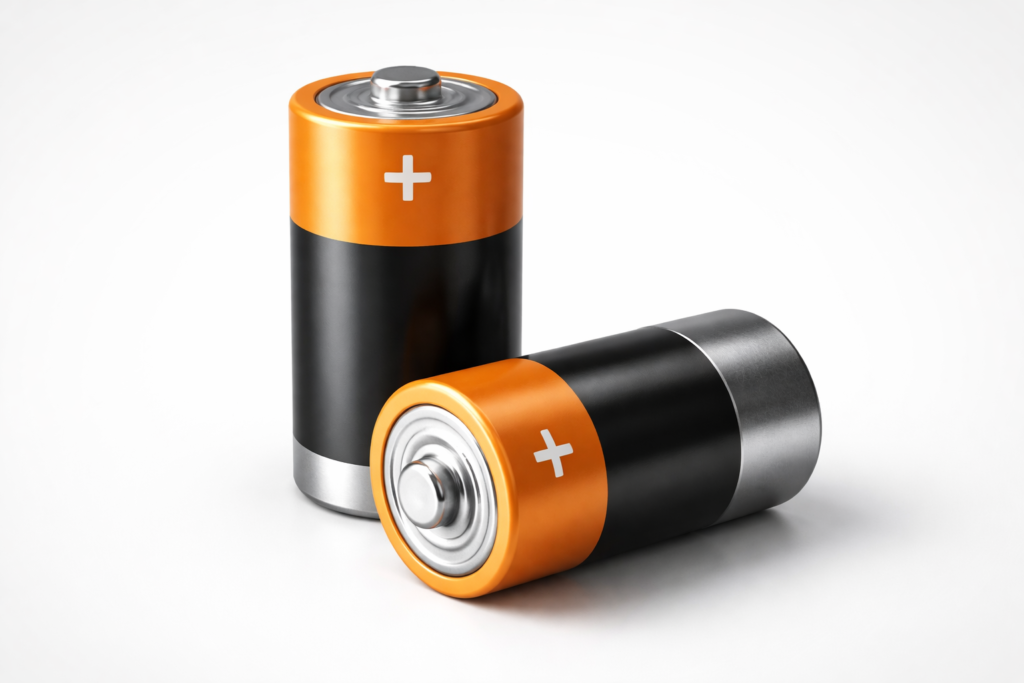
With millions of D batteries purchased each year, the environmental impact can really add up. Throwing used batteries in the trash risks soil and water pollution, especially with older chemistries. That’s why understanding proper recycling methods, as well as the pros and cons of rechargeable options, matters for every user who cares about sustainability.
This section shines a light on safe disposal, recycling programs, and how your choice of battery affects the planet now and for years to come.
Proper Disposal and Recycling of D Batteries
- Retail Drop-Offs: Many hardware and electronics stores have bins for single-use and rechargeable batteries—just look for the recycling logo at the entrance or customer service desk.
- Municipal Programs: Check your local government website for hazardous waste collection schedules or recycling center locations that accept household batteries.
- Mail-In Services: National programs offer prepaid boxes for shipping used batteries—great for classrooms, businesses, or those without local drop-off options.
- Rechargeable vs. Single-Use: Rechargeable D batteries (NiMH) must always be recycled, since they contain heavy metals. Single-use alkalines can sometimes be disposed of in regular trash where legal, but it’s still best to recycle whenever possible.
Comparing Environmental Impact of Alkaline vs Rechargeable D Batteries
According to EPA data, rechargeable D batteries generate up to 30 times less landfill waste than single-use alkalines over their lifespan. While alkalines are easy to use and widely available, they end up in landfills after one cycle—contributing to chemical pollution and environmental burden.
Manufacturing rechargeables uses more resources upfront, but their lifespans (hundreds of cycles) spread that cost over years, reducing total carbon footprint. Experts recommend switching to rechargeables for regular users to cut waste, save money, and reduce impact on the planet in the long run.
Using D Batteries for Off-Grid and Outdoor Solutions
For anyone working or playing where the grid doesn’t go—campers, DIY off-grid builders, emergency preppers—D batteries are a crucial ally. Their size and capacity deliver plenty of portable power to last through nights in the woods or days without access to outlets. When paired with solar panels or backup systems, D cells keep your lights, radios, and critical devices running smoothly.
This section covers the practical reality of using D batteries away from home, offering tips that make your energy supply as reliable as possible, no matter where you end up.
D Batteries in Solar Power and Emergency Systems
- Solar Kits: DIY solar setups often use D batteries as storage in small, off-grid arrangements, powering lights or gadgets at night after a sunny charge.
- Backup Lighting: Lanterns or emergency lights with D batteries stay ready for blackouts and weather crises—simply swap in charged cells when grid power goes out.
- Emergency Radios: Battery-operated radios keep you in touch when the power’s down. D batteries provide long playtime, crucial when weathering storms or disasters.
- Main Advantage: D cells are easy to replace and store, making energy management straightforward for repairs or device swaps.
Outdoor Performance and D Batteries in Extreme Conditions
- Cold Weather: Alkaline batteries lose up to half their capacity in freezing conditions, while lithium D batteries keep putting out power even below zero.
- High Heat: Both alkaline and carbon-zinc cells can leak or even burst in extreme heat; lithium again performs better and holds up longer.
- Humidity/Storage: Any battery stored in humid damp environments is at risk of corrosion and early failure. Airtight containers and dry bags extend battery shelf life outdoors.
- Chemistry Choice: For survival kits, hiking, or camping in any climate, lithium D cells are the most reliable—lighter, longer-lasting, and safer in rough environmental swings.
DIY and Educational Uses for D Batteries
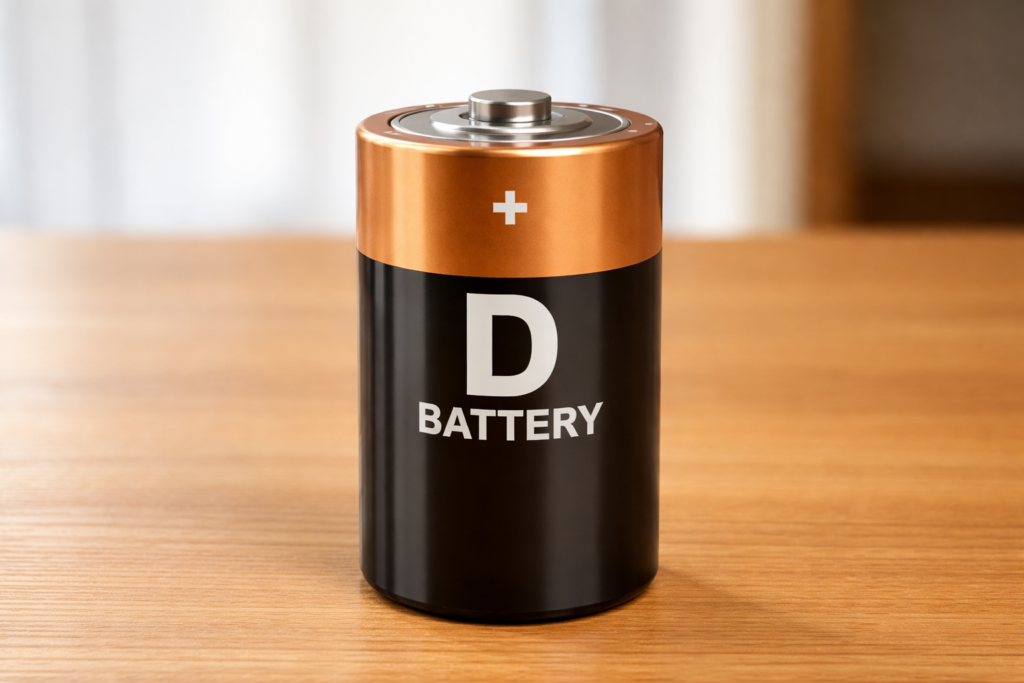
D batteries aren’t just for flashlights and speakers—they’re also a favorite in science classrooms, home workshops, and maker communities everywhere. Because of their size and power, D cells are perfect for hands-on experiments, teaching electrical basics, and powering inventions. Hobbyists love them for custom projects: from simple circuits to ambitious robot builds.
This section highlights practical, educational, and creative ways to put D batteries to work, encouraging learning and exploration at every age and skill level.
D Batteries in Science Experiments and Learning
- Simple Circuits: Use a D battery, some wire, and a small bulb to demonstrate how electricity flows in a closed loop.
- Motors and Magnets: Power basic electric motors or create DIY electromagnets for hands-on physics lessons.
- Series and Parallel Builds: Show students the effect of adding batteries in series or parallel to increase voltage or runtime.
- Battery Testing: Design experiments to compare the lifespan of different battery brands or types in real devices.
How to Build Custom Battery Packs with D Cells
- Plan Your Power Needs: Add D batteries in series to raise voltage (e.g., four cells for 6V output), or in parallel to increase total capacity for longer runtimes.
- Secure Connections: Use purpose-built holders to keep batteries in place and prevent shorts or accidental connections.
- Match Chemistries: Only combine batteries of the same type and age in one pack to reduce the risk of leaks and uneven discharge.
- Include Protection: For advanced builds, add fuses or circuit breakers to prevent overload conditions and increase safety.
- Label and Maintain: Mark homemade packs with output voltage and track cycle counts—especially for rechargeables—to prevent confusion and keep equipment safe.


