

A clogged toilet can really ruin your day. Most blockages clear up with easy DIY tricks, so no need to shell out big bucks for a plumber. This guide shows how to fix a toilet jam, explains what usually causes clogs, and reveals tips to keep your loo flowing smoothly for good. Knowing these hacks saves time, money, and a whole lot of stress, making bathroom troubles less of a headache. Keep reading to discover secrets that turn a messy problem into a quick win.
Understanding Toilet Clogs
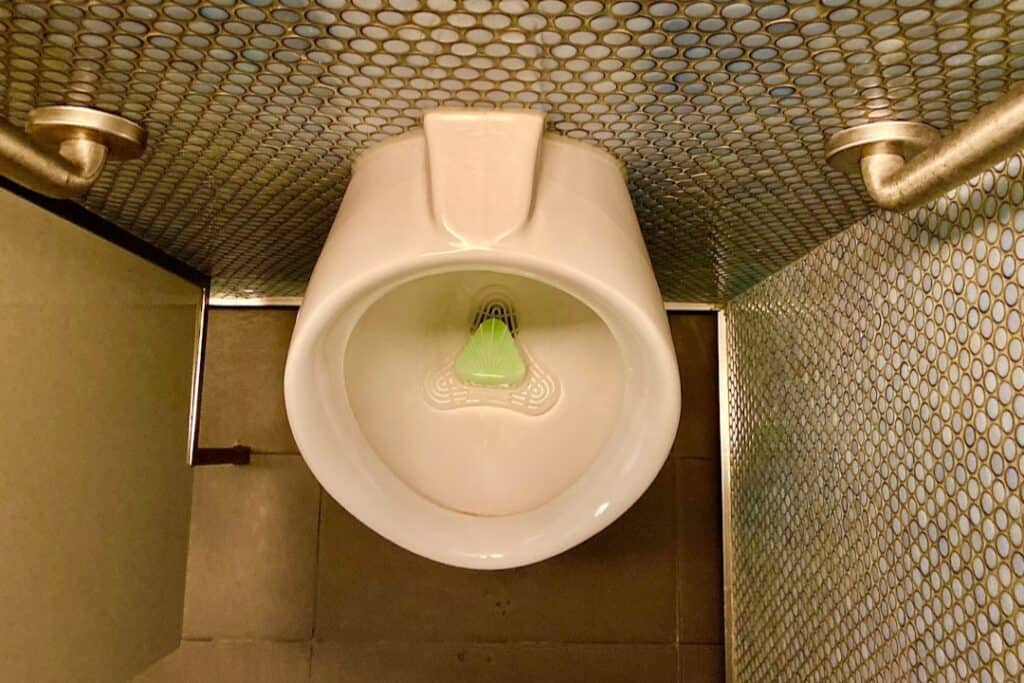
Common Causes of Toilet Clogs
Understanding how to unclog a toilet begins with recognizing the types of blockages that can occur. Toilet clogs typically occur due to a blockage in the drain pipe. Common causes include:
- Excessive toilet paper
- Feminine hygiene products
- Foreign objects that should never be flushed
Over time, these items can accumulate and create a stubborn toilet clog. Understanding what causes these blockages is the first step in preventing future issues and keeping your toilet bowl clear.
Signs of a Clogged Toilet
Recognizing the signs of a clogged toilet early can help you take action before the situation worsens. Obvious signs include water rising higher than usual in the toilet bowl after you flush, or the toilet bowl not draining properly. Gurgling sounds from the toilet or nearby sink drain may also indicate a potential toilet clog. Addressing these signs promptly can prevent further plumbing issues.
Impact of Clogs on Household Plumbing
When you notice these signs, it’s crucial to act quickly and know how to unclog a toilet before it becomes a bigger issue.
A severe toilet clog can affect your entire household plumbing system. If the toilet drain is completely blocked, it can lead to overflowing, which can cause water damage and unsanitary conditions. Persistent clogs may also put extra stress on your pipes, potentially leading to leaks or other costly repairs. Knowing how to unclog a toilet is essential for maintaining a healthy plumbing system and preventing further damage.
This is why knowing how to unclog a toilet can save you time and stress.
Basic Ways on How to Unclog a Toilet
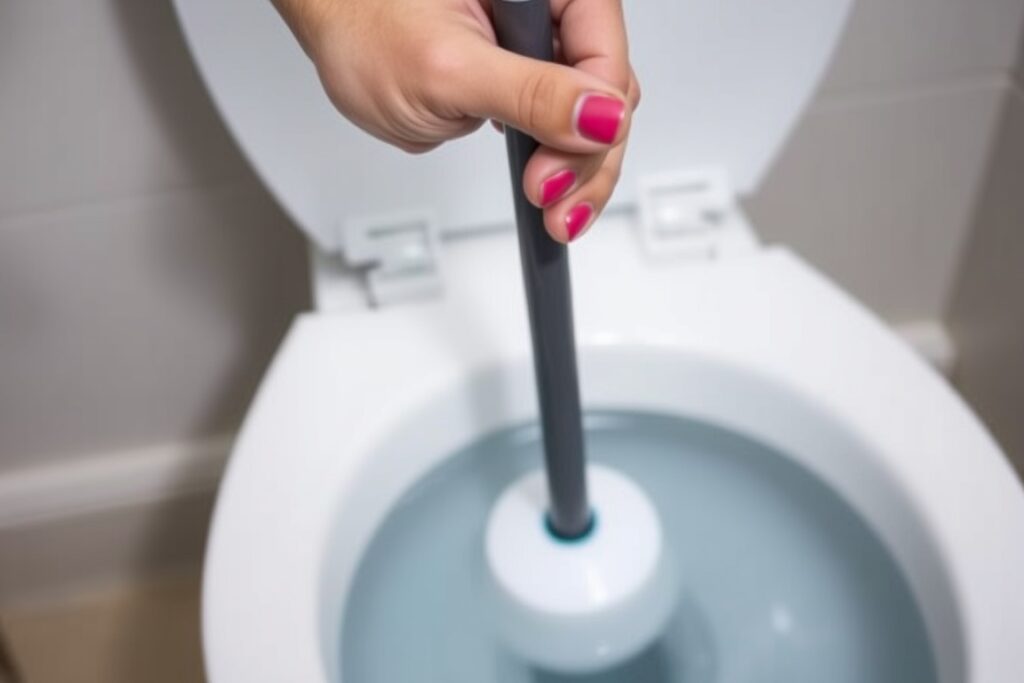
Using a Plunger Effectively
Using a plunger is often the first step when you think about how to unclog a toilet at home. If a plunger is not effective, understanding how to unclog a toilet with a toilet auger can be beneficial.
The most basic and often effective way of how to unclog a toilet is by using a toilet plunger. Ensure there is enough standing water in the toilet bowl to cover the bottom of the plunger, adding water from the sink or shower if necessary to avoid air pockets. Toilet plungers have a flange on the bottom that creates a better seal, unlike sink plungers. Position the plunger so it completely covers the drain opening, tilting it slightly when lowering it into the toilet bowl to fill the cup with as much water as possible. Push the plunger cup up and down vigorously with both hands seven to ten times or until the water starts to flush, dislodging the toilet clog effectively.
Using a Toilet Auger
Additionally, DIY methods such as dish soap have proven effective in how to unclog a toilet without harsh chemicals.
If a plunger doesn’t clear the toilet clog, a toilet auger, also known as a toilet snake, is a handy tool. Insert the flexible end of the auger into the toilet bowl drain opening and carefully feed it down the pipe. Rotate the handle to break up or retrieve the blockage. This tool can reach further down the drain than a plunger, making it suitable for more stubborn clogs. After you’ve tried the auger, flush the toilet to check if the toilet clog has been cleared.
Home Remedies for Unclogging
These practices can significantly reduce the need to learn how to unclog a toilet in the future.
For a gentle way to unclog a toilet, try using dish soap and hot water. Turn on the hot water in the sink or shower to ensure it is sufficiently hot. Squeeze dish soap into the bowl, aiming close to the drain opening. Carefully pour hot (not boiling) water into the toilet bowl, being cautious not to overfill and cause a flood. Let the hot water and dish soap soak for about 20 minutes, which should lubricate and dissolve the toilet clog. After the waiting period, flush the toilet to see if the remedy is successful in clearing the clog.
Preventing Future Clogs
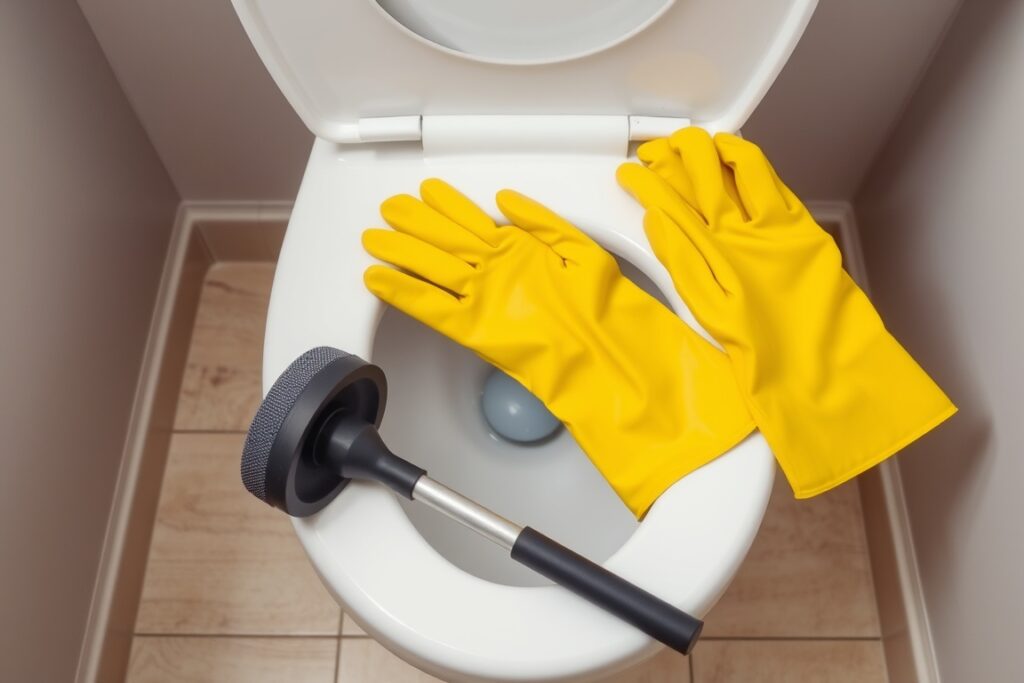
Best Practices for Toilet Use
To effectively prevent clogs, adopt best practices for toilet use. This includes avoiding certain actions, such as:
Regular checks can help avoid the hassle of how to unclog a toilet when problems arise.
- Flushing excessive amounts of toilet paper at once; instead, flush multiple times if needed.
- Flushing non-flushable items such as feminine hygiene products, diapers, wipes, or cotton balls, as these can cause significant blockages.
To prevent issues, it’s essential to know how to unclog a toilet by being aware of what can cause blockages.
Educate all household members about proper toilet usage to minimize the risk of future clogs. Be mindful of what goes down the toilet to keep your drain clear.
Regular Maintenance Tips
Regular maintenance can significantly reduce the likelihood of a clogged toilet. Periodically pour a bucket of hot water down the toilet bowl to help flush out any buildup in the pipes. Consider using an enzyme-based toilet cleaner monthly to dissolve organic matter that may accumulate. Regularly check the toilet flush mechanism to ensure it is functioning correctly, preventing issues that could lead to clogs. This proactive approach will help prevent clogs and maintain a smoothly functioning toilet.
Common Items to Avoid Flushing
Prevent clogs by avoiding flushing certain items down the toilet. There are several things you should never flush, including:
Knowing what not to flush can help you avoid the need to learn how to unclog a toilet.
- Feminine hygiene products, diapers, and wipes
- Cotton balls and paper towels
These items do not dissolve easily and can cause blockages. Dispose of these items in a garbage can instead. Be cautious about flushing excessive amounts of toilet paper. Ensure that everyone in the household knows what not to flush to help prevent clogs and keep your toilet drain clear.
The decision to call a plumber should be made with the knowledge of how to unclog a toilet first.
When to Call a Plumber
Choosing a plumber can be easier if you understand what’s at stake when you can’t figure out how to unclog a toilet yourself. Ultimately, knowing how to unclog a toilet can save you from unnecessary repair costs.
Signs You Need Professional Help
If you’ve tried plunging, using a toilet auger, and other DIY methods like hot water and dish soap without success, it may be time to call a plumber. Signs that you need professional help include frequent toilet clogs, slow draining, or gurgling sounds coming from the toilet or nearby drains. If the water looks high, cut off the water at the supply while you work; the silver handle can shut off the water behind the toilet. These symptoms could indicate a more severe issue within your plumbing system, requiring the expertise of a plumber to address and repair.
Choosing the Right Plumber
When you need to call a plumber, choose wisely to ensure the job is done right. Look for a licensed plumber with good reviews and a solid reputation. Ask for references and check online reviews to gauge their reliability and quality of work. A good plumber should be able to diagnose the problem accurately and provide a clear explanation of the required repairs. Choosing the right plumber ensures that the unclogging process will be handled professionally, and the toilet bowl will be clear.
Cost Considerations for Plumbing Services
Before you call a plumber, it’s wise to consider the cost of plumbing services. Get estimates from multiple plumbers to compare pricing. Ask for a detailed breakdown of the costs, including labor and materials. Keep in mind that emergency or after-hours services may incur higher fees. Understanding the cost considerations will help you make an informed decision and avoid any surprises when the bill arrives, ensuring your toilet is unclogged efficiently and cost-effectively by the plumber.


