If you’re choosing paint for your home, satin paint is one finish that stands out for balancing beauty with durability. This guide breaks down satin paint’s core features—how it looks, feels, and holds up in real life. You’ll get the facts on what makes satin paint unique, see how it compares with eggshell, flat, or glossy finishes, and find out where it shines (literally and figuratively) around your home.
Whether you’re painting walls, trim, or even thinking about outdoor projects, this guide walks you through both the good and the bad. You’ll get expert tips on application, quick pointers on cleaning, and the scoop on cost. If you want to make smart, confident choices about your next painting project, you’re in the right place.
Understanding Satin Paint Characteristics and Visual Appeal

Satin paint has a reputation for giving rooms a fresh, polished look without going over the top. Its secret is right in the name: the satin finish. Picture something with a gentle, velvety glow that catches the light—enough to bring out the life in your walls, but not so much that you’re fighting glare every afternoon.
This finish lands right between flat (or matte) paints and those ultra-shiny glosses. Satin brings just enough sheen to elevate a room while hiding a few minor bumps and bruises on your surfaces. Homeowners and painters love it because it bridges style and function. It holds up in busy spaces, wipes down easily, and still gives you that subtle pop of dimension in every direction.
As you explore satin’s key details, you’ll see why it’s become a go-to for trim, family rooms, and even kitchen walls. Coming up, we’ll highlight what sets satin apart from the crowd and dig into exactly how it compares side-by-side with popular finishes like eggshell and flat paint. If you want that just-right mix between easy cleaning, long-lasting color, and an attractive, touchable surface, satin is worth a closer look.
Key Satin Paint Characteristics That Set It Apart
Satin paint is defined by its soft, velvety texture and moderate sheen. Unlike flat paint, which soaks up light, satin reflects just enough to add gentle depth and glow to a room. It’s smoother to the touch and has a subtle shine that stands out without being flashy.
This finish delivers a practical balance—easier to wipe clean than eggshell or flat, but still elegant enough for living spaces. Satin is strong enough for high-traffic areas and brings a timeless, versatile look to both walls and trim.
How Satin Paint Finish Appearance Compares to Eggshell and Flat Paint
- Satin vs. Flat Paint:Flat paint has almost no sheen and absorbs light, which helps hide wall imperfections. However, it can look a bit dull and is harder to wipe clean. Satin, on the other hand, reflects light gently and has a smooth finish, adding depth and a soft glow that flat can’t match. The added luster makes satin better for areas that need frequent cleaning or experience more activity.
- Satin vs. Eggshell Paint:Eggshell has a very slight sheen, just a hint above flat, and is often chosen for its subtlety. Satin goes one step above eggshell, providing a noticeable but still understated shine. Both are easier to clean than flat, but satin’s slightly higher gloss makes it more durable and less likely to stain. Satin also tends to “pop” more in natural or artificial light, making colors look richer and more vibrant.
- Visual Impact in a Room:If you want walls that catch the light but don’t act like a mirror, satin is ideal. It lands halfway between those flat and high-gloss extremes, offering warmth, subtle reflectiveness, and enough sophistication that your space feels put-together. Eggshell and flat are more muted and forgiving of wall flaws, but they simply don’t have the same lively, glowing effect as a satin finish.
Satin Paint Benefits and Drawbacks for Your Home
Deciding on satin paint comes down to what you want out of your walls and how you live in your space. Satin is a favorite for families, busy households, and anyone looking for that just-right mix of style and toughness. It stands up to knocks, messes, and everyday action—but it isn’t a perfect fit for every surface or scenario.
Understanding both sides of the satin coin helps you make a smart choice. Satin paint promises beautiful results, but it also highlights surface flaws more than some flatter finishes. That means your prep work matters, and so do your expectations for upkeep and touch-ups as life goes on.
The next sections will lay out the most important pros and cons—giving you a crystal-clear look at what makes satin paint tick and where it might fall short. After reading, you’ll know if satin is truly a match for your next room makeover or if you’d be better off with another finish altogether.
Top Satin Paint Benefits for Interior Spaces
- Durable for High-Traffic Areas: Satin’s finish resists scuffs, stains, and daily wear, making it perfect for busy rooms.
- Easy to Clean: Satin walls can be wiped down with mild cleaners, so it’s ideal for kitchens, bathrooms, and families with kids.
- Attractive, Soft Sheen: The gentle shine adds dimension and sends a “finished” feel without being too dramatic.
- Moisture and Stain Resistant: Its surface stands up to humidity better than flatter paints, reducing mold risk in damp areas.
Common Drawbacks of Satin Paint You Should Know
- Highlights Surface Imperfections: Satin’s reflective quality can draw attention to bumps, dents, or patch jobs on your walls.
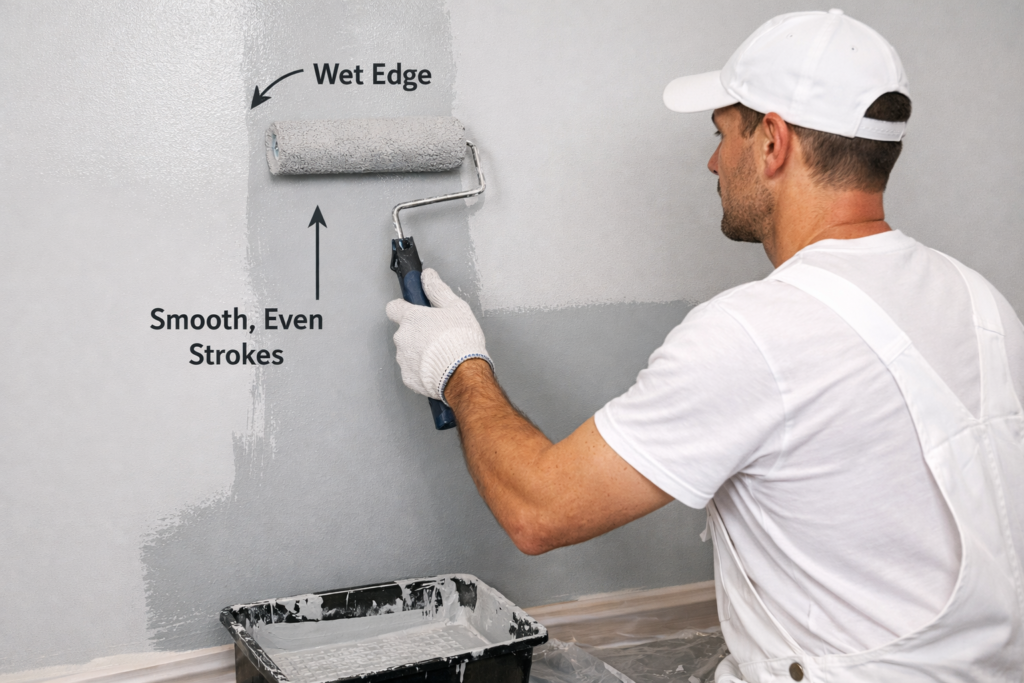
- Visible Lap Marks and Roller Streaks: If you don’t keep a wet edge or use proper technique, you may see overlaps or streaks once the paint dries.
- Difficult Touch-Ups: When you try to touch up a spot, the difference in sheen can make patches stand out, especially in direct light.
Where to Use Satin Paint for Maximum Impact
When it comes to matching the right paint to the right room, satin is one finish that’s tough to beat for versatility. Its resilience means you’ll see it on walls that take a beating—and its refined look means it works just as well in areas where looks matter most. It brings out details and brightens spaces, making it a go-to in new builds, remodels, and even on those forgotten bits of trim around the house.
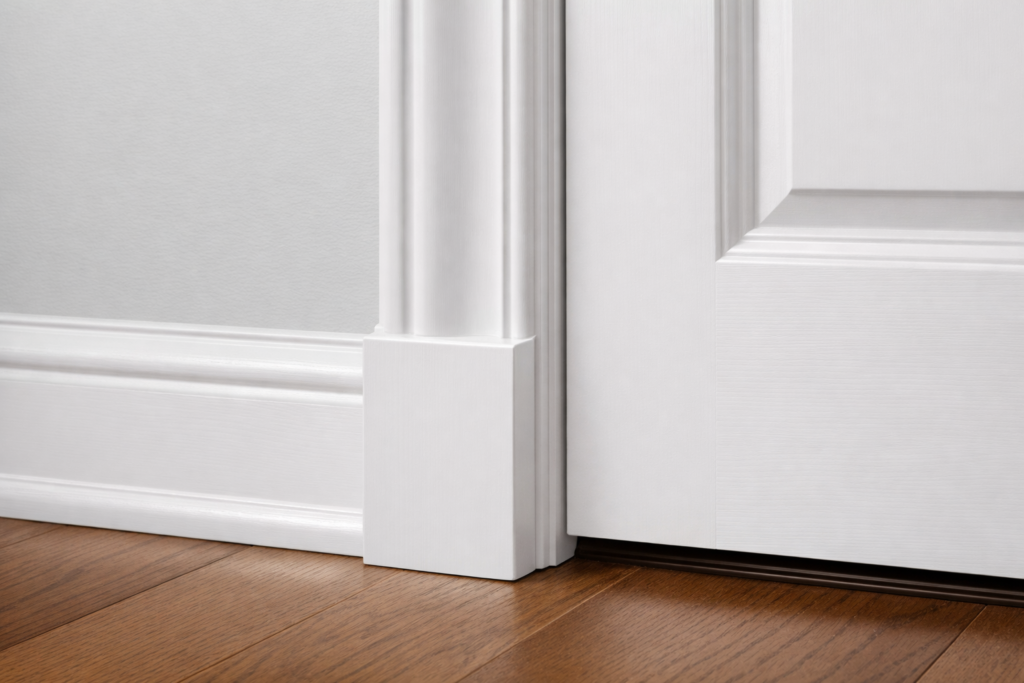
Choosing the right spot for satin paint helps you get the most out of every gallon. Living rooms, busy hallways, kitchens, and bath spaces will benefit from its easy-clean, family-proof surface. But don’t overlook those architectural touches—doors, baseboards, wainscoting, and accent walls can all shine under a satin coat, delivering a sharp outline and welcoming warmth all at once.
The sections that follow will walk you through exactly which rooms and features make the most of satin’s winning combo of strength and style. You’ll walk away with clear, actionable ideas for where to reach for that satin can, whether you’re tackling a weekend project or giving your whole house a facelift.
Best Rooms and Areas for Satin Paint
- Kitchens: High humidity and common splashes mean kitchens need paint that can stand up to mess and wipe down easily. Satin’s washable finish is a practical choice.
- Bathrooms: With steam and moisture in the mix, satin’s moisture resistance helps protect bathroom walls from mildew and water spots.
- Hallways and Entryways: Since these areas deal with traffic, fingerprints, and scuffs, satin paint keeps them looking fresh with minimal effort.
- Family Rooms and Children’s Rooms: Durable, stain-resistant, and easy to clean—satin paint checks all the boxes for active family spaces and kids’ rooms.
Satin Paint on Trim and Architectural Details
- Trim and Baseboards: Satin gives a crisp, defined look that enhances the edges of any room.
- Doors and Casing: The gentle sheen draws the eye and adds elegance to even plain doors or old frames.
- Accent Walls and Built-Ins: Satin highlights built-in shelves, wainscoting, or feature walls, adding subtle drama and making details stand out.
Paint Finish Comparison: Satin Versus Eggshell, Flat, and Gloss

The finish you choose—whether satin, eggshell, flat, or gloss—can have as much impact on your final look as the color itself. Each finish interacts with light and tackles daily life in its own way. They range on a spectrum from understated (flats and mattes) to striking (high-gloss), with satin right in the sweet spot.
Comparing satin to these other options isn’t just about appearances; it’s also about practicality in your particular home. Some finishes are best for hiding flaws, while others win on ease of cleaning or standing up to the chaos of kids and pets. Color, room type, and ambiance all play into your perfect pick.
Up next, you’ll see side-by-side breakdowns—how satin compares to eggshell and flat paints when it comes to gloss, ease of cleaning, and advantage in specific areas. We’ll also turn a quick spotlight on how the paint industry measures gloss, so you can decode labels and make your selection with confidence.
Satin vs Eggshell and Flat Paint for Your Home
- Gloss and Sheen Scale: Flat finishes have almost no shine, eggshell sits just above them with a gentle, barely-there luster, and satin has a noticeable, soft sheen that reflects more light without looking glossy.
- Durability and Cleaning: Satin is more stain-resistant and easier to wash than eggshell or flat, making it superior for high-traffic or messy spaces. Flat paint, while excellent at hiding imperfections, can easily hold onto grime and need more frequent repainting.
- Hiding Wall Flaws: Flat paints hide dings and scratches best, as they don’t catch light. Satin reflects light enough to highlight surface bumps or patchwork, while eggshell sits in the middle—better than satin but not as forgiving as flat.
- Room Suitability: Use flat for ceilings and low-traffic adult bedrooms, eggshell for living rooms or dining spaces where subtlety is key, and satin for kitchens, bathrooms, and anywhere you need both beauty and brawn.
- Color Impact: Satin’s glow brings out paint color depth and shifts how hues look in different lighting compared to the muted look of flat or the delicate finish of eggshell.
Understanding Paint Gloss Rating and Sheen Scale
Paint finishes are ranked on a gloss scale, which measures how much light the surface reflects. On this scale, flat or matte is the lowest (almost no reflection), eggshell is low, satin lands in the moderate range, and semi-gloss or gloss are much higher in shine.
Satin finishes generally fall between 25% and 35% gloss, depending on the brand. This puts them above eggshell and below semi-gloss, making them a balanced choice for both walls and trim where you want some sheen but not a mirror effect. Understanding where satin fits on this scale helps you predict both its look and its durability.
Satin Paint Cost and Application: What to Know Before You Buy

Shopping for paint isn’t just about picking the right color—cost, coverage, and proper application can mean the difference between a job well done and an expensive headache. Satin paint walks the line between affordability and longevity, often costing slightly more than flat but less than premium glosses. Its long-term value comes from the fact you won’t have to repaint as often, especially in busy spots.
When it comes time to put brush to wall, satin paint does have its quirks. It’s a bit less forgiving than flat options if you rush or skip prep, and the wrong roller or brush can leave behind streaks or lap marks. Knowing what to expect up front gets you that clean, professional finish you see in the magazines—and saves you plenty of frustration on cleanup day.
In the next sections, you’ll get the scoop on paint costs, how to make your dollars stretch, and a toolkit of proven tricks to help you nail your satin paint job, whether you’re a first-timer or a seasoned pro. Because a little know-how now means fewer second coats and touch-ups down the road.
Satin Paint Cost and Long-Term Value
Satin paint usually falls in the mid-range price bracket, hovering a bit above flat or eggshell finishes but still accessible for most projects. Expect to pay more for quality brands or specialty formulas, especially if you want added stain or moisture resistance. A gallon of satin covers about as much as similar finishes—often 300-400 square feet—so plan your budget by measuring your rooms carefully.
While the upfront cost is a touch higher than flat paint, satin pays off with fewer touch-ups and less frequent repainting, especially in places that see a lot of action. That translates into real savings over the years, particularly in busy households.
Best Satin Paint Application Tips for a Flawless Finish
- Prep your surfaces: Satin shows surface flaws, so patch holes, sand rough spots, and clean walls thoroughly before you start. A little extra prep pays off in a smoother, more even finish.
- Use quality brushes and rollers: Opt for a high-density foam roller or a synthetic-bristle brush—these tools help avoid streaks and lap marks and spread the paint evenly.
- Keep a wet edge: Work in small sections, always overlapping your last pass while the paint is still wet. This helps prevent visible roller and brush marks once everything dries.
- Control your environment: Avoid painting in extremely hot, humid, or drafty conditions, as these can cause uneven drying and spoil your satin sheen.
- Check your lighting: Good lighting makes it easier to spot missed spots or thick patches—move your light or step back often to inspect your progress.
- Let coats dry fully: Rushing to recoat too quickly can lift the first layer, causing texture problems. Follow the manufacturer’s instructions for drying times for best results.